Aerospace Aviation Solutions Improve Aircraft Safety and Performance
11 Jul, 2026

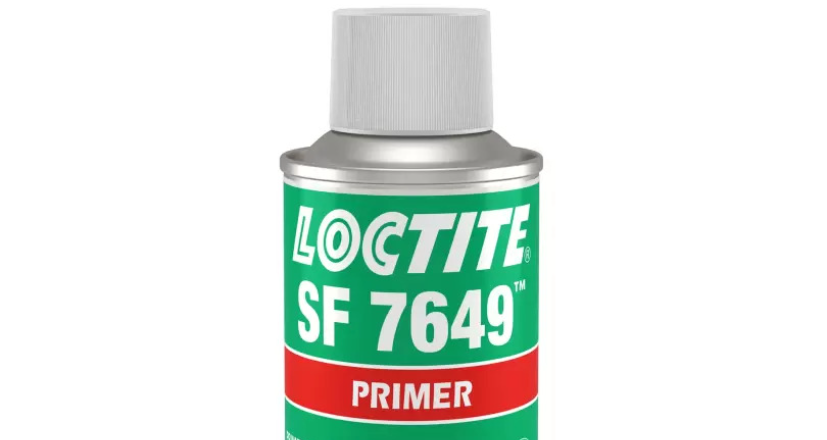
Ever look up at a modern airliner, a marvel of engineering soaring at 500 miles per hour, and wonder what keeps it all together? Sure, there are millions of rivets, bolts, and panels, but there’s another, less visible hero in the hangar: the specialty chemical. Today, we’re pulling back the curtain on one of the aviation industry’s unsung champions—Loctite SF 7649. This isn’t your average hardware store adhesive; it’s a precision tool in liquid form, playing a critical role in keeping aircraft safe, efficient, and airworthy.
For the seasoned AMT (Aircraft Maintenance Technician), it’s a trusted part of the toolkit. For the aviation enthusiast, it’s a fascinating glimpse into the microscopic world of maintenance. Let’s dive into what this product is and why it’s so vital in the world of aircraft repair and preventive maintenance.
What Exactly is Loctite SF 7649?
First, let's clear up a common misconception. Loctite SF 7649 isn’t a glue or a threadlocker like the classic blue or red formulas you might know. Think of it instead as a high-performance, fluorinated surface primer or activator. Its job isn’t to stick parts together itself, but to prepare surfaces so that other sealants and adhesives can perform at their absolute best.
In technical terms, it's a solvent-based primer specifically designed for use on inert substrates—materials that are notoriously difficult to bond. In aviation, the biggest challenge is fluorocarbon elastomers (think fancy rubbers), with Viton being the most common brand name. Viton is fantastic for seals and gaskets because it’s incredibly resistant to fuel, oil, and extreme temperatures. But that same resistance makes it a nightmare to bond. Its surface is essentially "non-stick." That’s where our hero, SF 7649, comes in.
The Magic Trick: How Does SF 7649 Work?
The process is a bit like preparing a wall for painting. You wouldn’t paint over a glossy, greasy surface and expect it to last. You’d clean it and maybe use a primer. SF 7649 is the primer for the world of high-performance elastomers.
Here’s the simple breakdown:
Without this priming step, a sealant might seem to stick initially but would likely fail under the stresses of vibration, thermal cycling, and fluid exposure—risks you simply cannot take in aerospace applications.
Key Applications in Aircraft Maintenance and Repair
So, where do you actually find technicians using this invisible shield? Its use is specified in countless OEM (Original Equipment Manufacturer) manuals and MRO (Maintenance, Repair, and Overhaul) procedures. Key application areas include:
1. Engine Sealing and Gasket Bonding
This is one of the most critical uses. Inside and around aircraft engines, you’ll find numerous gaskets and seals made from Viton.
2. Fuel System Maintenance
The fuel system is a zero-tolerance zone for leaks. Many fuel-resistant seals and O-rings are made from fluorocarbon elastomers.
3. Airframe and Component Sealing
Beyond the engine, the airframe itself has hundreds of sealed joints.
4. Repair and Overhaul of Seals
During component overhaul, a technician might find a reusable metal-backed seal with a Viton sealing lip. To restore it to service, the old sealant must be completely removed, and the surface re-primed with SF 7649 before applying new sealant. This is a perfect example of sustainable maintenance practices, saving costly parts from being scrapped.
Why It's Non-Negotiable: The Benefits for Aviation Safety
Using SF 7649 isn't just about following a manual; it’s about guaranteeing outcomes that align with the core principles of aviation: safety and reliability.
Best Practices for Using Loctite SF 7649
If you’re a technician, you know procedure is everything. Here’s a quick guide to using SF 7649 effectively:
Conclusion: The Small Detail with a Huge Impact
In the grand, complex symphony of aircraft maintenance, Loctite SF 7649 might seem like a quiet note. It doesn’t torque a critical bolt or calibrate a flight instrument. But by enabling perfect, durable bonds on the most challenging materials, it plays an indispensable role in the integrity of the entire aircraft.
It’s a powerful reminder that in aviation, success is built on meticulous attention to detail. The next time you board a flight, you can rest a little easier knowing that between the sheets of metal and the roar of the engines, there’s an invisible, molecular shield—primer like SF 7649—helping to hold it all together, flawlessly and reliably, mile after mile.
27 Jun, 2026

18 Apr, 2026
Efficient and reliable delivery of goods or products within a minimal timeframe, often prioritizing before delivery time.
A secure payment system (SPS) is a way to protect financial transactions and personal data from fraud and unauthorized access.
"24/7 support" means providing customer assistance around the clock, 24 hours a day, 7 days a week, ensuring customers can get help whenever they need it.