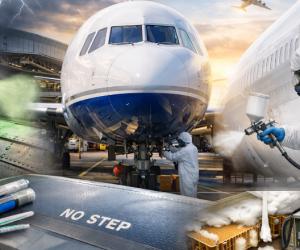
Aerospace Aviation Solutions Improve Aircraft Safety and Performance
11 Jul, 2026

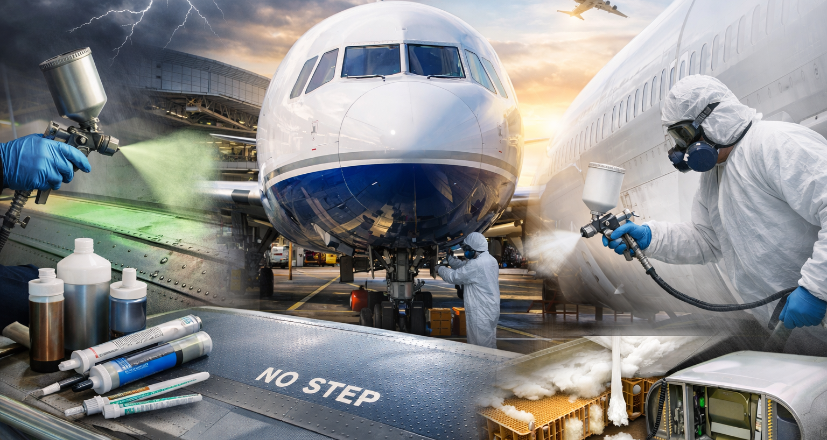
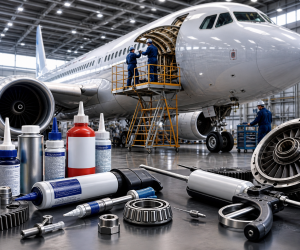
Explore the world of FAA-certified aircraft coatings and aviation adhesives. From corrosion protection to structural bonding, we look at how these high-performance materials keep planes safe, efficient, and attractive.
Take a glance around the next time you buckle in for a flight. The sparkling fuselage, the flawlessly sealed windows, the long-lasting flooring, and even the "no step" decal on the wing—all rely on remarkable chemical engineering. We're referring to FAA-approved aircraft coatings and adhesive methods.
In aviation, you cannot just take a can of spray paint from the hardware store or use super glue to repair a panel. Aircraft materials must survive tremendous pressures, high temperatures, UV radiation, and caustic fluids while staying lightweight. Most notably, they must be certified by the Federal Aviation Administration (FAA) to avoid contributing to a fire or compromising the structure.
Understanding these materials is intriguing for anybody who is an aviation fan, a pilot, or a professional in the Aviation MRO (Maintenance, Repair, and Overhaul) paint services industry.
Why "FAA-Approved" Matters
Before we look at specific paints and glues, we have to understand the "why" behind the regulations. The FAA doesn't approve coatings just because they make a plane look pretty. The approval process is about safety, predictability, and performance.
Every time an aircraft takes off, its exterior is bombarded with ultraviolet (UV) rays, rain, hail, and dramatic temperature swings (from below freezing at altitude to blistering heat on the tarmac). High-performance aerospace coatings act as the first line of defense against these elements.
If a coating fails, it’s not just an aesthetic issue. It can lead to aircraft corrosion protection failure, which compromises the structural integrity of the aluminum skin. If an adhesive fails in the cabin, it could mean a loose panel or a detached fitting—a serious hazard during flight or emergency evacuation.
The FAA sets the bar high. When a product is FAA-approved, it means it has been tested to meet strict criteria for flammability, toxicity, adhesion, and durability.
Layers of Aircraft Coating System
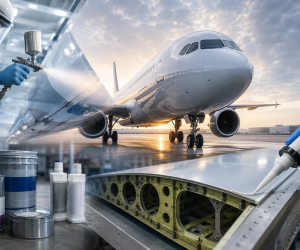
An aircraft's paint job is more than simply one layer; it is a system. Consider it a high-tech sandwich, with each layer serving a different and vital function.
1. The Primer: The Foundation for Protection
The primer is the initial coat that is applied to a bare metal or composite surface. This is the mainstay of aviation coating systems. Epoxy-based primers, such as Desoprime™, are often used in the industry. Their job is dual.
2. The Topcoat: Beauty and Sacrifice.
The coating is commonly a polyurethane. This is what gives the airplane its airline livery and shiny polish. Polyurethane topcoats, such as the well-known Desothane® compounds, are popular due to their high durability and UV resistance. They do not fade quickly and protect the primer below from the sun. They are the "sacrificial" layer, bearing the brunt of the elements to protect the primer and metal.
3. Specialty Coatings: Walkways, Anti-Static
There are also customized coatings for certain applications. For example, PPG's Desothane® HS CA8022/B7022 Walkway Coating is an anti-skid polyurethane that is applied to the wings. This FAA-approved coating technique assures that if passengers need to evacuate onto the wing, they will not slip.
Types of Aerospace Paint Solutions
Not all paint is created equal. The chemistry behind aircraft paint and coating is complex and tailored to specific needs.
Polyurethane Topcoats
As mentioned, these are the kings of the exterior. They provide a hard, flexible finish that resists hydraulic fluids (like Skydrol), fuels, and cleaning solvents. They maintain their gloss and color for years, which is vital for brand image and resale value.
Epoxy Primers
Epoxies are renowned for their hardness and chemical resistance. They are the standard for primers because they bond aggressively to metals. While some early epoxies could chalk or fade in sunlight, they are perfectly protected by the polyurethane topcoat, making them the ideal undercoat.
High-Solids and Advanced Formulations
The industry is constantly innovating. Newer formulations are designed to be "high-solids," meaning they have less solvent and release fewer Volatile Organic Compounds (VOCs) into the atmosphere. There are even coatings being developed that can cure faster using UVA light, drastically reducing the time an aircraft spends in the hangar for repainting. This is a game-changer for Aviation MRO paint services, allowing airlines to get their assets back in the air—and generating revenue—much faster.
The Science of Staying Together: Aviation Adhesives
Moving away from paint, let's talk about glue. In modern aviation, you might be surprised how much of the plane is held together by adhesives rather than rivets.
Structural Bonding Adhesives
Structural bonding adhesives are used to join load-bearing components. These are often high-strength epoxy or modified epoxy adhesives. They are used to bond metal to metal, composite to composite, or honeycomb sandwich structures. The benefit here is weight savings and even load distribution. Unlike a rivet, which concentrates stress at a single point, adhesive spreads the load across the entire bonded area.
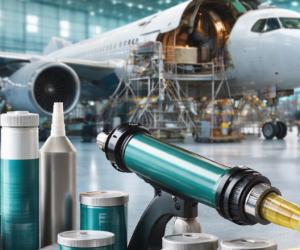
L&L Products, for example, specializes in these solutions, offering two-component toughened adhesives that cure at room temperature while providing high mechanical performance.
Fire-Resistant Interior Bonding
Step inside the cabin, and the adhesive requirements get even stricter. Interior panels, overhead bins, and galleys must meet strict FAA-approved fireworthiness requirements, specifically FAR 25.853.
This regulation covers:
Aviation adhesives used here, such as L&L’s FST (Fire, Smoke, Toxicity) adhesives or Protechnic’s flame-retardant thermoplastic webs, are formulated to pass these rigorous tests. These adhesives are used to bond everything from the decorative veneer on a tray table to the upholstery on a seat.
Foaming Adhesives and Potting Compounds
In the construction of flight decks and control surfaces, honeycomb cores are often used. These are lightweight but strong structures. Foaming adhesives are used to splice these honeycomb cores together and to pot (fill) the edges where hardware needs to be attached. These foams expand during curing to fill gaps, creating a solid block that can be machined.
Sealants vs. Adhesives
It is important to distinguish between adhesives and sealants, though they often work together. Sealants, like those mentioned in the Boeing Airworthiness Directive regarding fuel tanks, are used to prevent the intrusion of water, fuel, and air. While adhesives provide structural strength, sealants ensure the fuel stays in the tanks, and the cabin stays pressurized. Compromised sealant adhesion on fuel tank fasteners could even affect lightning protection, highlighting the critical nature of these materials
The MRO Perspective: Keeping the Fleet Airworthy
For those in Aviation MRO paint services, working with FAA-approved coatings is a daily reality. Repainting or touching up an aircraft is a massive logistical undertaking.
The Weight Factor
Did you know a full paint job on a large commercial aircraft can weigh over 500 pounds? Every pound of paint is a pound of fuel or cargo that can't be carried. This is why high-performance aerospace coatings are designed to be applied in very thin, consistent layers. MRO technicians use precise thickness gauges to ensure the paint is thick enough to protect but thin enough to save weight.
Surface Preparation
The mantra in MRO is: "Preparation is everything." You can have the best aircraft coating systems in the world, but if the surface prep is poor, the paint will peel. This involves stripping the old paint (often using chemical strippers or mechanical methods), cleaning, and applying conversion coatings or adhesion promoters to ensure the new primer has something to grab onto.
Environmental Compliance
MRO facilities must also comply with environmental regulations. This means using paints and adhesives with lower VOC content, properly disposing of hazardous waste, and using application methods (like high-volume low-pressure spray guns) that minimize overspray.
The Future is Clear (and Light)
Innovation in aerospace paint solutions and adhesive technologies is relentless.
Conclusion
From the structural bonding adhesives that hold the frame together to the glossy topcoat that displays the airline logo, FAA-approved aircraft coatings and adhesive technologies are the unsung heroes of aviation safety and efficiency.
They are a testament to how far material science has come, turning a metal tube into a safe, comfortable, and durable vehicle that can traverse the globe in a matter of hours. So next time you fly, you can appreciate the complex chemistry and rigorous regulation that’s working hard just a few inches from your seat. Safe travels
27 Jun, 2026
18 Apr, 2026
Efficient and reliable delivery of goods or products within a minimal timeframe, often prioritizing before delivery time.
A secure payment system (SPS) is a way to protect financial transactions and personal data from fraud and unauthorized access.
"24/7 support" means providing customer assistance around the clock, 24 hours a day, 7 days a week, ensuring customers can get help whenever they need it.