Aerospace Aviation Solutions Improve Aircraft Safety and Performance
11 Jul, 2026

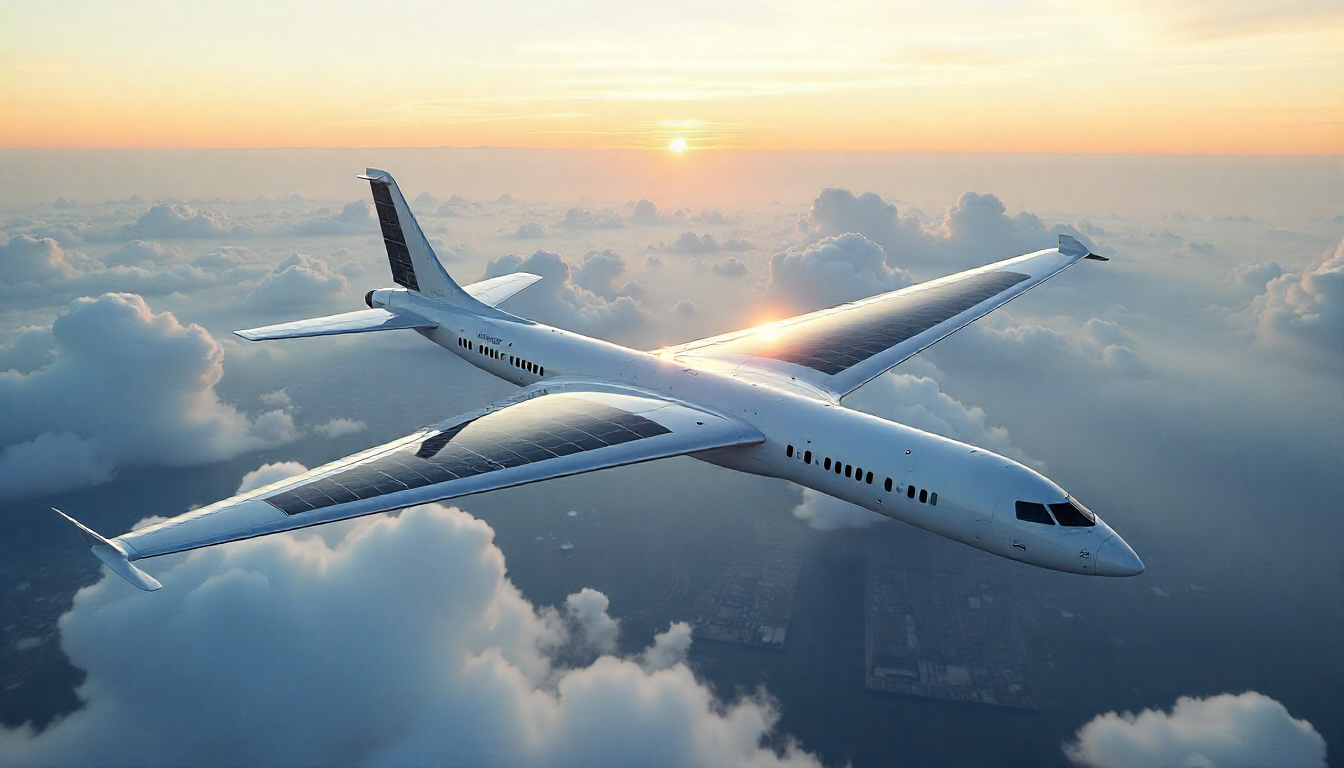
The aerospace industry is entering one of the most exciting phases in its history. From AI-powered aircraft to sustainable propulsion systems, aerospace innovation is reshaping how we fly, build aircraft, and even explore beyond Earth. For anyone curious about the future of aerospace—whether you’re a student, professional, entrepreneur, or simply an aviation enthusiast—2026 is shaping up to be a breakthrough year.
In this in-depth guide, we’ll explore the top 10 aerospace innovations set to disrupt 2026, explained in a friendly, easy-to-understand way. We’ll also connect each innovation to real-world applications across commercial aviation, defense, space exploration, and advanced aviation technologies.
1. Artificial Intelligence in Aircraft Design and Operations
One of the most powerful drivers of aerospace innovation in 2026 is artificial intelligence (AI). AI applications in the aerospace industry are no longer experimental—they are becoming essential.
How AI Is Transforming Aerospace Technology
AI is being used to:
In aerospace engineering, AI-driven simulations can test thousands of design variations in days rather than years. This means lighter aircraft, stronger materials, and better aerodynamics.
What This Means for the Future of Aerospace
AI-powered decision-making lowers costs, improves safety, and accelerates development time. As a result, aircraft companies may innovate faster than ever before, making AI one of the most significant aerospace innovation trends in 2026.
2. Green Propulsion and Sustainable Aviation Fuel (SAF)
The concept of sustainability is no longer optional. Carbon emissions reduction will be a major emphasis of sustainable aerospace innovation in 2026.
What Exactly Are Sustainable Aviation Fuels?
Sustainable aviation fuels (SAF) are made from:
In comparison to regular jet fuel, these fuels can lower lifecycle carbon emissions by up to 80%.
Beyond Fuel: Hydrogen and Electric Propulsion
The future of aerospace includes:
These technologies represent the next generation of aerospace technology aimed at net-zero aviation.
3. Electric Vertical Takeoff and Landing (eVTOL) Aircraft
Urban air mobility is no longer science fiction. eVTOL aircraft are among the latest aerospace technologies in 2026.
What Makes eVTOLs Revolutionary?
Companies are racing to launch air taxis that can transform city transportation.
Aerospace Innovation for Commercial Aviation
While eVTOLs start with urban mobility, their long-term impact on commercial aviation could be massive—especially for short-haul routes.
4. Advanced Composite Materials and Smart Structures
Materials science is a quiet but powerful force in aerospace innovation.
Lighter, Stronger, Smarter
New aerospace technology includes:
These materials improve fuel efficiency, durability, and safety.
Impact on Aerospace Engineering
By reducing aircraft weight, manufacturers can lower fuel consumption and emissions—key goals for the future of aerospace.
5. Hypersonic Flight Technology
Hypersonic flight—traveling at speeds above Mach 5—is one of the most exciting aerospace innovation trends in 2026.
Why Hypersonics Matter
Imagine flying from New York to London in under two hours.
Challenges and Breakthroughs
Hypersonic aerospace engineering must overcome extreme heat, pressure, and material limitations. Recent breakthroughs suggest commercial hypersonic travel may be closer than expected.
6. Digital Twins in Aerospace Manufacturing
A digital twin is a virtual replica of a physical aircraft or system.
How Digital Twins Improve Aerospace Technology
Digital twins are becoming standard across the aerospace industry.
Future Aerospace Innovations Explained
This technology allows engineers to test changes virtually before applying them in the real world—saving time, money, and resources.
7. Autonomous and Pilot-Assistance Systems
Automation is redefining how aircraft are flown.
From Assistance to Autonomy
Current aviation innovation includes:
While fully autonomous passenger aircraft may take longer, 2026 will see major advancements in pilot-assistance technologies.
Safety and Trust in Advanced Aviation
These systems reduce pilot workload and human error, making flying safer for everyone.
8. Space-Aerospace Convergence
The line between aerospace and space technology is disappearing.
Reusable Launch Vehicles
Reusable rockets have already disrupted spaceflight. Now, similar principles are influencing aircraft design and aerospace innovation.
Why This Matters for the Aerospace Industry
This convergence is shaping the future of aerospace on Earth and beyond.
9. Additive Manufacturing (3D Printing)
Additive manufacturing is transforming how aircraft components are built.
Benefits of 3D Printing in Aerospace Engineering
By 2026, many critical aircraft parts will be 3D-printed.
Aerospace Innovation Trends in 2026
This technology supports lightweight structures and rapid innovation—key competitive advantages in advanced aviation.
10. Advanced Air Traffic Management and Smart Airports
As skies become more crowded, smarter systems are essential.
AI-Powered Air Traffic Control
Smart Airports and the Passenger Experience
From biometric boarding to automated baggage handling, aviation innovation is improving efficiency on the ground as well.
What These Innovations Mean for the Future of Aerospace
Together, these top 10 aerospace innovations paint a clear picture of where the industry is headed:
The aerospace industry in 2026 will look very different from today—and that’s a good thing.
Opportunities for Careers and Business
Rapid change brings opportunities.
Careers in Space Engineering and Technology
Skills in artificial intelligence, data analytics, materials science, and sustainability will be in great demand.
Business Opportunities in Aerospace Innovation.
Both startups and established organizations can benefit from investing in:
Final Thoughts: The Sky Is No Longer the Limit
The future of flight is being built right now. From AI applications in the aerospace industry to sustainable aerospace innovation in 2026, the pace of change is extraordinary.
For anyone interested in aerospace innovation, aviation innovation, and next-generation aerospace technology, the coming years promise to be nothing short of revolutionary.
As we move forward, one thing is certain: the sky is no longer the limit—it’s just the beginning.
27 Jun, 2026

18 Apr, 2026
Efficient and reliable delivery of goods or products within a minimal timeframe, often prioritizing before delivery time.
A secure payment system (SPS) is a way to protect financial transactions and personal data from fraud and unauthorized access.
"24/7 support" means providing customer assistance around the clock, 24 hours a day, 7 days a week, ensuring customers can get help whenever they need it.