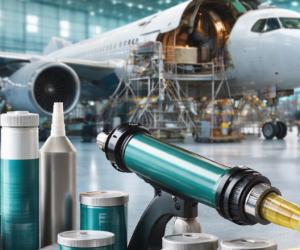
Aerospace Aviation Solutions Improve Aircraft Safety and Performance
11 Jul, 2026

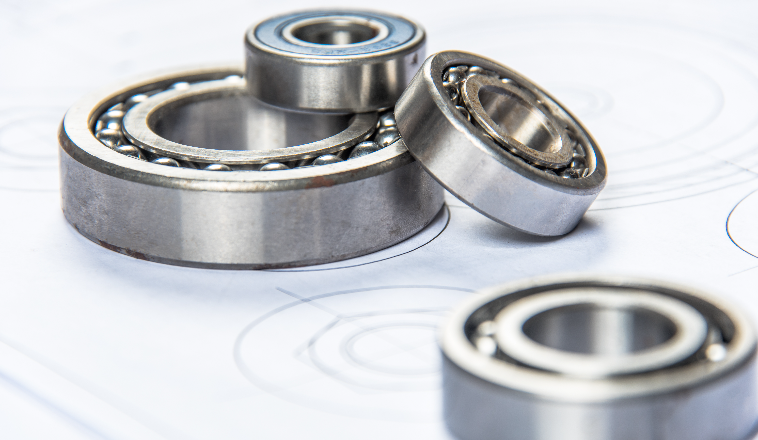
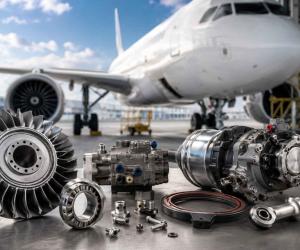
When we think about aerospace safety, our minds often jump to advanced cockpit technology, rigorous pilot training, or cutting-edge aircraft design. While these are crucial, there's a silent, unsung hero working behind the scenes: the humble spare part.
In the high-stakes world of aviation, a spare part is never just a "replacement." It is a meticulously engineered, certified, and traceable component that stands between routine maintenance and potential catastrophe. Let's explore how these critical components form the bedrock of modern aerospace safety.
1. The Foundation of Reliability: Certified Airworthiness
An aircraft is a complex machine with millions of parts. The core principle of aviation safety is that every single one, from a turbine blade to a simple bolt, must be airworthy.
2. Enabling Predictive and Preventive Maintenance
Aircraft maintenance isn't done on a whim; it's a science-driven schedule outlined in the Maintenance Planning Document (MPD). Spare parts are the essential enablers of this proactive approach.
3. The Critical Role in Repairs and AD Compliance
Even with the best maintenance, unforeseen wear or damage occurs. Furthermore, regulatory bodies issue Airworthiness Directives (ADs)—mandatory instructions for correcting a known unsafe condition.
4. Combating the Illicit Market: The Fight Against Counterfeits
One of the biggest threats to aerospace safety is the unapproved parts market. These parts are often cheaper, but they bypass all quality controls.
5. More Than Metal: The Digital and Human Element
The world of spare parts is becoming smarter. Digital records, barcoding, and blockchain technology are enhancing traceability. Furthermore, the availability of spares supports the highly trained engineers and technicians who are the final line of defense. They rely on the integrity of the parts they install to do their jobs effectively.
Conclusion: Safety is Built on a Supply Chain
Aircraft safety is not just engineered in the design phase; it is maintained on the hangar floor, part by part. Every certified spare part is a promise—a promise of quality, reliability, and performance. It is a testament to the industry's unwavering commitment to protecting lives.
In the end, the role of spare parts in aerospace safety is simple yet profound: They are the standardized, guaranteed components that ensure an aircraft leaves the ground in the same condition it was certified to fly. They are the unseen guardians, and their integrity is non-negotiable.

27 Jun, 2026

18 Apr, 2026
Efficient and reliable delivery of goods or products within a minimal timeframe, often prioritizing before delivery time.
A secure payment system (SPS) is a way to protect financial transactions and personal data from fraud and unauthorized access.
"24/7 support" means providing customer assistance around the clock, 24 hours a day, 7 days a week, ensuring customers can get help whenever they need it.