Aerospace Aviation Solutions Improve Aircraft Safety and Performance
11 Jul, 2026

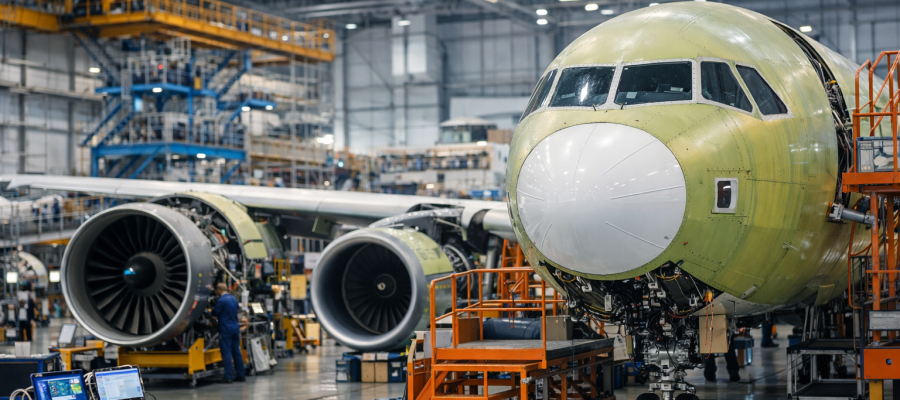
Hello and welcome back to the Global Air Parts & Lubricants blog. If you're reading this, you likely share our passion for the marvel that is modern aviation. Whether you're a procurement specialist, a maintenance engineer, or just an aviation enthusiast, you understand that the magic of flight isn't just about lift and thrust. It's about precision, reliability, and an uncompromising commitment to quality.
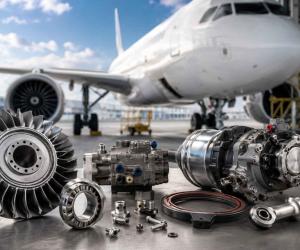
Here at Global Air Parts & Lubricants, we don't just supply components; we are partners in maintaining that quality. Based in the heart of Delhi, we connect the global aviation industry with the genuine aircraft parts, consumables, and AEROSHELL lubricants needed to keep the world flying safely. Today, we're taking a step back to look at the source of it all: the incredible aerospace manufacturing technologies that ensure every rivet, rotor, and engine component meets the sky-high standards we all depend on.
Let’s dive into the fascinating world of aerospace manufacturing and explore how cutting-edge tech is making aircraft better, safer, and more efficient than ever before.
The Blueprint of Perfection: Why Manufacturing Quality is Non-Negotiable
Before we get into the "how," let's quickly touch on the "why." An aircraft is the ultimate system of systems. A minor flaw in a single rotatable component or a substandard batch of lubricants can have cascading effects. That's why the industry operates under rigorous frameworks set by bodies like the FAA and EASA.
Aerospace manufacturing isn't just about building a plane; it's about building absolute trust. Advanced technologies are the tools that allow manufacturers to build this trust, ensuring that every part, from a complex avionics module to a simple O-ring, performs exactly as intended. And when those parts need replacing, they turn to trusted spare parts suppliers like us to ensure that the quality chain remains unbroken.
1. Additive Manufacturing: Creating the Future Layer by Layer
You may be familiar with the term 3D printing, but in the aviation manufacturing industry, it is known as Additive Manufacturing. This technology has advanced from the prototype phase to full-scale manufacturing, and it is a game-changer in aircraft quality.
Global Air Parts & Lubricants is excited about AM's growth since it represents the pinnacle of component design innovation. While the parts we sell are traditionally made, we monitor these changes to better anticipate the future of the rotable components our clients will require.
2. Advanced Robotics and Automation: The Pursuit of Zero Defects
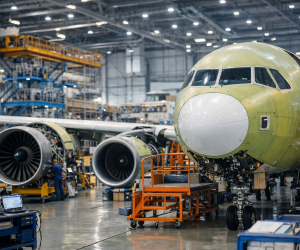
Walk through a modern aerospace assembly plant, and you'll see a beautiful dance between human skill and robotic precision. Automation is no longer about replacing humans; it's about augmenting their capabilities to achieve flawless quality.
The result? Aircraft that are assembled with a level of consistency and accuracy that simply wasn't possible two decades ago. This means fewer maintenance issues down the line, which is where our role as a supplier of high-quality AEROSHELL lubricants and consumables becomes critical—maintaining these precisely built machines with the best products on the market.
3. Digital Twins and the Industrial Internet of Things (IIoT)
Imagine having a perfect virtual copy of an aircraft that you can test, tweak, and monitor in real-time, mirroring its physical twin. That's the power of Digital Twin technology, powered by the IIoT.
4. The Unsung Heroes: Advanced Materials and Surface Technologies
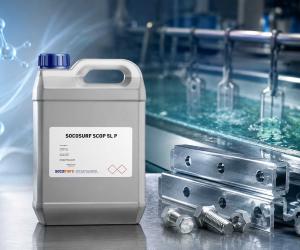
Quality isn't just about how a part is made, but what it's made of. Aerospace manufacturing is constantly pushing the boundaries of material science.
5. The Human Element in a High-Tech World
With all this talk of robots and digital twins, it's easy to forget the people. But the human element in aerospace manufacturing and supply has never been more important.
Technology provides the data and the precision, but skilled engineers, technicians, and inspectors provide the judgment and the context. They interpret the data, solve unforeseen problems, and make the critical decisions that keep the process safe.
Technology supplies the data and precision, while competent engineers, technicians, and inspectors supply the judgment and context. They assess data, address unexpected challenges, and make key decisions to keep the process safe.
This mentality applies to the whole Global Air Parts & Lubricants workforce. We employ technology to manage our huge inventory as well as our global supplier network. Our website and logistical methods assure prompt delivery and 100% safe payment. However, it is our team's extensive industry expertise and dedication to "providing greatness beyond the sky" that enables us to locate the precise consumable and rotable components you want, frequently leaning on our global connections to shorten wait times.
We see ourselves as an extension of your quality assurance process. When you order from us, you're not just getting a part; you're getting our promise that it's the right part, sourced responsibly, and delivered with the expertise that comes from being a dedicated partner in the aviation industry.
The Ripple Effect: How Manufacturing Tech Benefits the Entire Supply Chain
The improvements in manufacturing quality create a positive ripple effect that benefits everyone, from the OEM to the pilot, and yes, to suppliers like us.
Looking to the Horizon: What's Next for Aerospace Quality?
The journey of improvement never stops. Here are a few trends we're watching closely:
Conclusion: A Shared Commitment to Excellence
So, how do aerospace manufacturing technologies improve aircraft quality? They do it through a relentless pursuit of precision, enabled by additive manufacturing, robotics, digital intelligence, and advanced materials. They build aircraft that are lighter, stronger, more efficient, and safer than ever before in history.
At Global Air Parts & Lubricants, we are proud to play our part in this ecosystem. We may not build the planes, but we ensure they have the genuine aircraft parts and premium lubricants they need to operate at their peak. From our base in Delhi, we serve the global aviation community, driven by the same principle that guides the manufacturers: a commitment to quality, reliability, and greatness beyond the sky.

27 Jun, 2026

18 Apr, 2026
Efficient and reliable delivery of goods or products within a minimal timeframe, often prioritizing before delivery time.
A secure payment system (SPS) is a way to protect financial transactions and personal data from fraud and unauthorized access.
"24/7 support" means providing customer assistance around the clock, 24 hours a day, 7 days a week, ensuring customers can get help whenever they need it.