Aerospace Aviation Solutions Improve Aircraft Safety and Performance
11 Jul, 2026


Aircraft safety is not just about skilled pilots or advanced aircraft design. Behind every safe takeoff and smooth landing lies a complex system of aerospace aviation solutions working together to ensure reliability, precision, and performance. From aircraft spare parts and avionics systems to maintenance procedures and supply chain management, aerospace aviation solutions form the backbone of modern aviation safety.
In today’s fast-evolving aviation industry, safety standards are higher than ever. Airlines, MRO providers, aerospace manufacturers, and aviation suppliers must rely on certified components, advanced technology, and efficient maintenance systems to ensure every aircraft remains airworthy. In this blog, we’ll explore why aerospace aviation solutions are critical for aircraft safety and how they contribute to secure and efficient flight operations.
Understanding Aerospace Aviation Solutions
Aerospace aviation solutions refer to a broad range of products, services, and technologies that support aircraft manufacturing, maintenance, repair, overhaul (MRO), and operational performance.
These solutions include:
Each of these elements plays a direct role in protecting passengers, crew, and aircraft assets.
The Direct Link Between Aerospace Solutions and Aircraft Safety
Aircraft operate in extreme environments—high altitudes, rapid pressure changes, temperature variations, and continuous vibration. Without high-quality aerospace aviation solutions, maintaining safety under such conditions would be impossible.
1. Reliable Aircraft Spare Parts
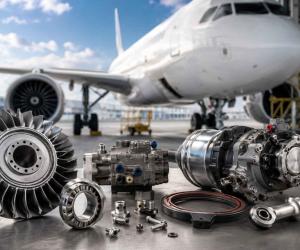
Certified aircraft spare parts are essential for replacing worn or damaged components. Substandard or counterfeit parts can compromise aircraft systems, leading to failures or safety risks.
High-quality aerospace spare parts ensure:
Reliable spare parts reduce the chances of in-flight technical issues and emergency landings.
Importance of Preventive Maintenance Solutions
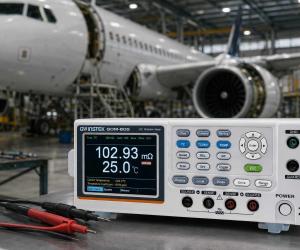
Aircraft safety is heavily reliant on preventive and predictive maintenance. Aerospace aircraft solutions include modern maintenance technology that can detect possible flaws before they become major problems.
Predictive Maintenance Technologies
Identifying wear and tear early allows aviation maintenance crews to arrange timely repairs and avoid unexpected Aircraft on Ground (AOG) situations.
Avionics and Electronic Systems: The Brain of the Aircraft
Modern aircraft rely on advanced avionics systems for navigation, communication, weather monitoring, and flight control.
High-performance aerospace aviation solutions in avionics ensure:
Faulty or low-quality avionics components can compromise flight accuracy and decision-making, making certified aviation electronics essential for aircraft safety.
Structural Integrity and Material Solutions
Aircraft structures must withstand enormous stress during takeoff, flight, and landing. Aerospace aviation solutions provide advanced materials such as lightweight composites, aerospace-grade fasteners, coatings, and sealants that protect structural components.
Key Safety Contributions
Proper structural solutions reduce the risk of cracks, leaks, and long-term damage.
Compliance and Quality Assurance in Aviation
The aviation industry operates under strict regulatory compliance standards. Aerospace aviation solutions must meet certification requirements and undergo rigorous testing before use.
Why Certification Matters
Using certified aerospace components strengthens safety management systems and audit compliance.
Supply Chain Management and Safety
An efficient aerospace supply chain is critical for ensuring timely access to certified aviation spare parts and materials.
How Supply Chain Impacts Safety
Reliable aerospace aviation solutions providers maintain strict inventory control and transparent documentation to ensure every component meets safety standards.
Reducing Human Error with Advanced Aviation Solutions
Human mistake is one of the most serious threats in aviation. Aerospace aircraft solutions help to reduce this danger by:
Technology-driven solutions improve precision and consistency in aviation maintenance operations.
Role of MRO Services in Aircraft Safety
Maintenance, repair, and overhaul (MRO) services are critical components of aerospace aviation solutions. Professional MRO companies ensure that aircraft are regularly inspected, maintained, and upgraded in accordance with safety regulations.
Advantages of Professional MRO Services.
Quality MRO services improve aircraft reliability and extend operating life.
Cost Efficiency and Safety: A Balanced Approach
While cost control is important in aviation operations, compromising on aerospace aviation solutions can lead to higher long-term expenses.
Risks of Low-Quality Solutions
Investing in high-performance aerospace aviation solutions reduces operational risk and enhances long-term cost efficiency.
Sustainability and Environmental Safety
Modern aerospace aviation solutions also focus on sustainability. Environmentally friendly materials, improved fuel efficiency technologies, and longer-lasting components contribute to safer and greener aviation operations.
Sustainability Benefits
Sustainable solutions support both environmental responsibility and operational safety.
Emerging Technologies Strengthening Aircraft Safety
The future of aerospace aviation solutions includes:
These innovations will further enhance aircraft safety by improving data accuracy, maintenance planning, and component reliability.
Why Aerospace Aviation Solutions Will Always Be Critical
As global air traffic continues to grow, aircraft systems are becoming more advanced and interconnected. This increases the demand for reliable, certified, and high-performance aerospace aviation solutions.
From manufacturing and maintenance to digital monitoring and supply chain management, every solution contributes to aircraft safety. Even the smallest component can have a major impact on flight performance.
Conclusion
Aerospace aviation solutions are critical for aircraft safety because they ensure reliability, compliance, and operational excellence at every stage of an aircraft’s lifecycle. High-quality spare parts, advanced avionics systems, certified materials, and professional MRO services work together to maintain airworthiness and protect lives.
In an industry where safety is the top priority, investing in trusted aerospace aviation solutions is not optional—it is essential. By choosing certified components, adopting advanced technologies, and working with reliable suppliers, aviation operators can strengthen aircraft safety and build long-term operational success.
When it comes to aviation, safety is never accidental. It is the result of strong systems, precision engineering, and dependable aerospace aviation solutions working behind the scenes to keep every flight secure.

27 Jun, 2026

18 Apr, 2026
Efficient and reliable delivery of goods or products within a minimal timeframe, often prioritizing before delivery time.
A secure payment system (SPS) is a way to protect financial transactions and personal data from fraud and unauthorized access.
"24/7 support" means providing customer assistance around the clock, 24 hours a day, 7 days a week, ensuring customers can get help whenever they need it.