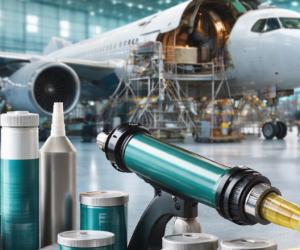
Aerospace Aviation Solutions Improve Aircraft Safety and Performance
11 Jul, 2026


The aerospace story has long been one of nations racing one another: a battle for lunar supremacy, a struggle for aerial power, and a display of technological prowess. But times are changing very much. The largest challenges and the greatest opportunities in aerospace today are global, requiring not only new thinking but also a new kind of caring for the planet collectively.
The future of aerospace isn't just higher, faster, and farther. It's smarter and more mindful. It's a collective project necessitating a shared view of how we explore, exploit, and preserve the spaces beyond our planet Earth.
The Dual Imperative: Innovate and Preserve
The modern aerospace industry has two important tasks. On one side, the need for new ideas is growing with many opportunities:
On the other hand, these developments come with global duties:
This dilemma of unlimited innovation and limited responsibility is where the notion of global stewardship comes to life.
Innovation Motivated by Steward
Fortunately, the industry does not perceive stewardship as something that hinders innovation. The industry instead sees it as the ultimate progress driver. The most promising new work is available to meet these global challenges.
1. The Quest for Environmentally Friendly Flight:
Net-zero flights are a historic global challenge. Innovation is not coming from one region. Countries, manufacturers, and energy providers collaborate to accelerate development of:
2. The Guardians of the Orbital Commons:
Space belongs to all people. The space debris problem is inspiring new concepts in Space Situational Awareness (SSA) and Active Debris Removal (ADR). Space agency missions are experimenting with ways to capture and lower dead satellites. Additionally, new global regulations and "space traffic management" initiatives are being established to ensure that we'll be able to continue to safely exploit space for many years to come.
3. Global Benefit through Earth Observation:
The clearest example of caring for aerospace is the worldwide group of Earth observation satellites. These missions, often created through teamwork between countries like NASA, ESA, and JAXA for climate work, give important data on:
Publicly released data allows each country to make informed choices about the health of the planet.
The Stewardship Approach: Working Together or Rivaling
A new century obliges a radical change in mindset, from competition to collaboration.
Conclusion: A Shared Experience
The future of aerospace is not something done in isolation. It's something that each and every one of us participates in. The best innovation that we can be doing is not only a new spacecraft or new engine, but something new in how the world works together.
Real aerospace progress isn't just about new tech anymore. It's also about how we can improve all people, save our planet, and keep space a realm of discovery and enchantment for future generations. The emphasis has shifted from attempting to win to cooperating and assisting one another. And that may be the most significant adjustment of all.

27 Jun, 2026

18 Apr, 2026
Efficient and reliable delivery of goods or products within a minimal timeframe, often prioritizing before delivery time.
A secure payment system (SPS) is a way to protect financial transactions and personal data from fraud and unauthorized access.
"24/7 support" means providing customer assistance around the clock, 24 hours a day, 7 days a week, ensuring customers can get help whenever they need it.