Aerospace Aviation Solutions Improve Aircraft Safety and Performance
11 Jul, 2026

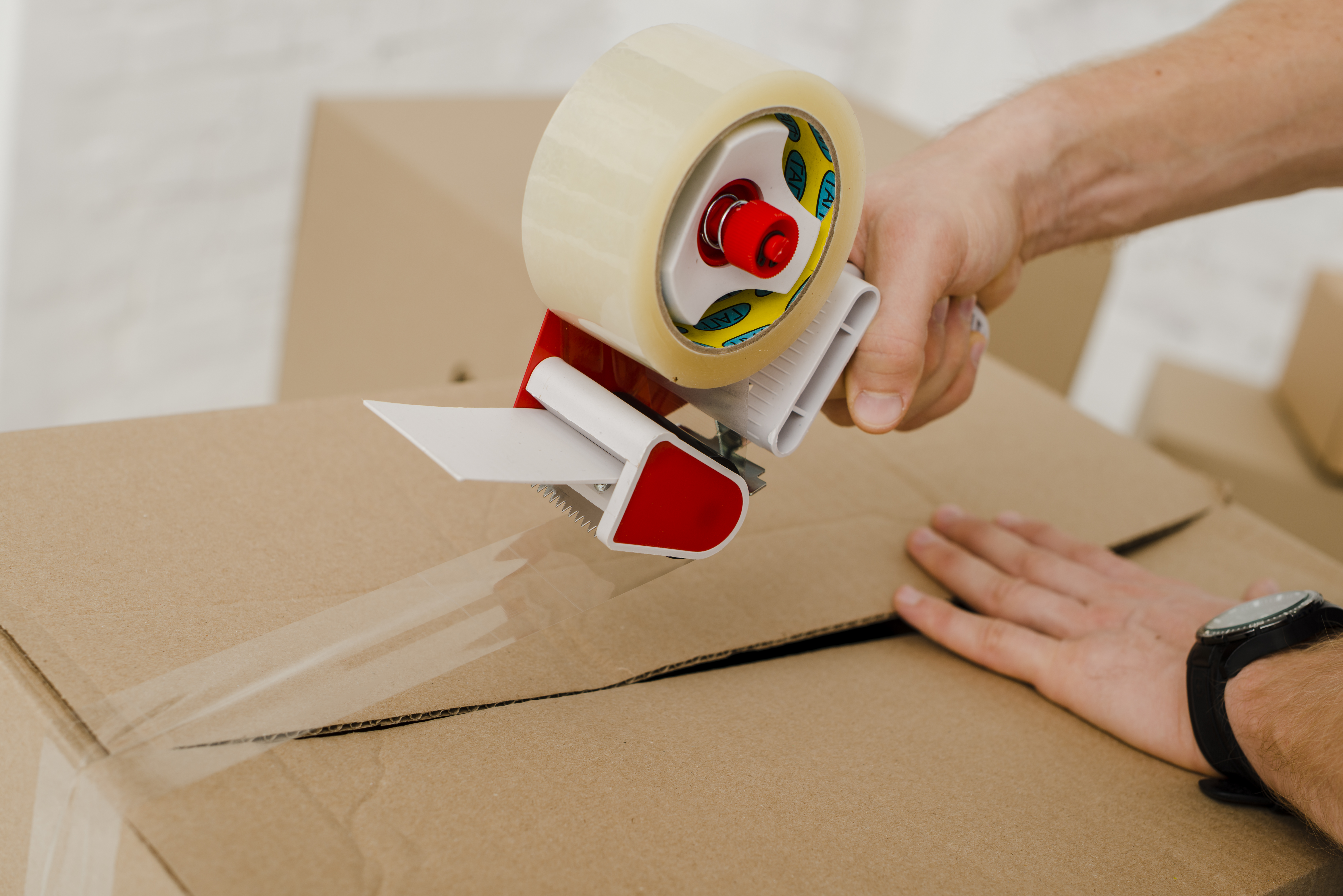
In a world focused on fancy technology and complicated machines, it's easy to miss the basic parts that keep everything together. For real. Among these important but unnoticed items, adhesive films are very important. They are the thin, often unseen layers that give strength, durability, and usefulness to many products we use every day.
The days of adhesives being dirty old glues or pastes are behind us. Adhesive films are a large step forward in bonding technology, giving you accuracy, cleanliness, and performance that previous techniques just can't supply. In this guide, we'll cover what are adhesive films, their many types that are out there, their multitude of applications, and why you might want to consider them for your next job.
What are adhesive films?
Adhesive film is a solid, dry layer of glue that is applied to a release liner (which can be made of paper or plastic). It comes in sheets or rolls and is designed to perform when pressure, temperature, or both are applied.
Unlike liquid adhesives, they are convenient to use, of uniform thickness, and eliminate issues such as dripping, blending, or uneven curing. You simply remove the release liner, apply the film to the substrate, and initiate the bonding operation.
The Utilization and Usage of Adhesive Films
Tapes are really useful adhesives. Tapes can be used in nearly every area:
Sneak Peek on Different Kinds of Adhesive Films
Adhesive films are grouped by their chemical makeup and how they stick together. The best choice depends on your materials, the strength needed, and the way you produce them.
1. Pressure-sensitive adhesive (PSA) films
These are "sticky" adhesives that instantly bond once pressure is applied to it. It doesn't require heat, solvent, or water.
2. Thermally Activated Adhesive Films
These are not sticky adhesives that are hard at room temperature. They are required to be heated and pressed to soften, flow, and spread over the substrate to give a bond upon cooling down.
3. Reactive Adhesive Films
These are hard adhesives, typically of epoxy, acrylic, or polyurethane construction. A special trigger, commonly heat, must be applied to initiate a chemical curing reaction.
Main Benefits: Why to Use Adhesive Films?
Using adhesive films or saying which ones to use has many advantages compared to old bonding methods:
Conclusion
Adhesive films are not afterthoughts for trim. They are intelligent and robust bonding technologies that assist novel concepts throughout many industries by making products lighter, tougher, and more attractive. If you're designing a new phone, a better airplane, or a novel medical product, an adhesive film is most likely facilitating its operation. Engineers, designers, and producers can make intelligent decisions that enhance their work and produce superior end products if they are familiar with their applications, types, and significant benefits.

27 Jun, 2026

18 Apr, 2026
Efficient and reliable delivery of goods or products within a minimal timeframe, often prioritizing before delivery time.
A secure payment system (SPS) is a way to protect financial transactions and personal data from fraud and unauthorized access.
"24/7 support" means providing customer assistance around the clock, 24 hours a day, 7 days a week, ensuring customers can get help whenever they need it.