Aerospace Aviation Solutions Improve Aircraft Safety and Performance
11 Jul, 2026

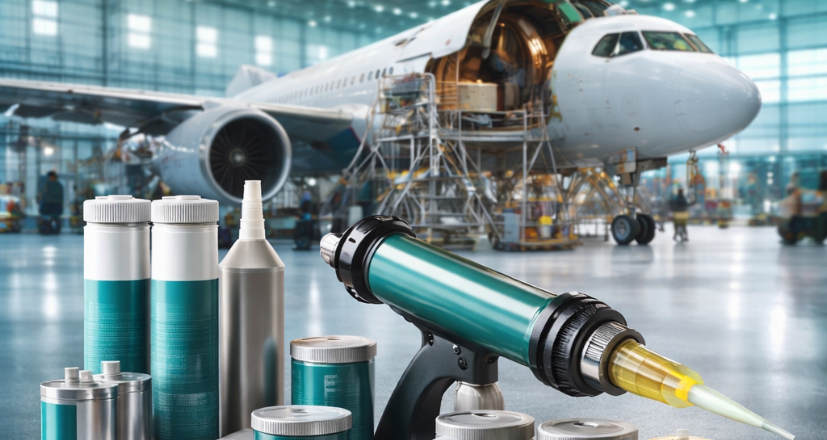
In the aerospace and aviation industry, performance, safety, and reliability are everything. Aircraft operate under extreme conditions—high altitude, pressure changes, vibration, temperature fluctuations, and exposure to fuels and chemicals. In such an environment, high-performance sealants play a critical role. They may look like minor materials, but in reality, they are essential to aircraft safety, efficiency, and long-term durability.
What Are High-Performance Aerospace Sealants?
High-performance aerospace sealants are specially engineered compounds designed to seal gaps, joints, seams, and interfaces in aircraft structures and systems. Unlike standard industrial sealants, aviation sealants are formulated to meet strict regulatory, mechanical, and environmental requirements.
These sealants must perform reliably under:
Because of these demanding conditions, only certified and tested sealants are approved for aerospace aviation use.
Why Sealants Are Critical in the Aerospace Aviation Industry
Sealants are not just fillers; they are safety-critical materials. A small leak or structural gap can lead to major operational issues if not sealed properly.
Key Reasons Sealants Matter
In both commercial and military aviation, sealants contribute directly to airworthiness and compliance.
Common Applications of Aerospace Aviation Sealants
High-performance sealants are used across multiple aircraft systems and structures.
1. Fuel Tank Sealing
Fuel tank sealants are among the most critical aerospace sealants. They must be:
These sealants prevent fuel leakage and vapor escape, ensuring safety and efficiency during flight.
2. Fuselage and Structural Sealing
Sealants are applied to joints, rivets, seams, and lap joints to:
3. Windshield and Canopy Sealing
Aviation-grade sealants are used to secure and seal cockpit windshields and canopies, ensuring clear visibility and pressure resistance.
4. Electrical and Avionics Protection
Sealants protect sensitive avionics and electrical systems from moisture, dust, and contaminants.
Types of High-Performance Sealants Used in Aviation
Different aerospace applications require different sealant chemistries.
Polysulfide Sealants
Silicone Sealants
Polyurethane Sealants
Epoxy-Based Sealants
Each type is selected based on performance requirements and certification standards.
The role of sealants in aircraft maintenance and MRO
Maintenance, Repair, and Overhaul (MRO) activities rely largely on high-performance aviation sealants.
Benefits of MRO Operations
Using authorized aerospace sealants enables MROs to maintain safety standards while saving downtime.
Safety and Regulatory Compliance
The aerospace sector is subject to stringent regulations from authorities such as:
High-performance aviation sealants must adhere to:
Using uncertified sealants might result in maintenance issues, aircraft grounding, and regulatory penalties.
How High-Performance Sealants Increase Aircraft Durability
Sealants provide a protective barrier against environmental harm.
Long-Term Benefits
This resilience directly reduces maintenance costs and increases aircraft availability.
Cost Efficiency: Why Quality Sealants Save Money.
Low-cost or subpar sealants may initially appear appealing, but they frequently fail early.
The Hidden Costs of Poor-Quality Sealants
High-performance aerospace sealants add value via dependability and longevity.
Technological Advancements in Aerospace Sealants
Modern aviation sealants are benefiting from advanced material science.
Emerging Trends
These innovations support the next generation of aircraft designs.
Sealants and Sustainability in Aviation
Sustainability is becoming a major focus in the aerospace aviation industry.
How Sealants Support Sustainability
High-performance sealants contribute to greener aviation operations.
Choosing the Right Aerospace Aviation Sealant Supplier
Selecting the right supplier is just as important as choosing the right sealant.
What to Look For
Reliable suppliers ensure consistent access to certified aviation sealants.
The Future of High-Performance Sealants in Aerospace Aviation
As aircraft designs evolve, the requirement for sophisticated sealants will increase. Lightweight materials, composite constructions, and more efficient aviation systems necessitate sealants that are smarter, stronger, and more flexible.
Sealants will remain an important part of aerospace aircraft solutions, promoting safety, innovation, and sustainability.
Conclusion
High-performance sealants in the aerospace and aviation industries are more than just supporting materials; they are critical safety and performance components. Aviation sealants ensure aircraft operate reliably under harsh conditions by sealing fuel tanks, protecting against corrosion, and maintaining structural integrity.
Aviation operators and MROs may increase safety, save maintenance costs, and extend aircraft life by investing in certified, high-quality aerospace sealants and partnering with reputable suppliers. High-performance sealants play an important role in keeping airplanes flying safely and efficiently in an industry that values precision and dependability.
27 Jun, 2026

18 Apr, 2026
Efficient and reliable delivery of goods or products within a minimal timeframe, often prioritizing before delivery time.
A secure payment system (SPS) is a way to protect financial transactions and personal data from fraud and unauthorized access.
"24/7 support" means providing customer assistance around the clock, 24 hours a day, 7 days a week, ensuring customers can get help whenever they need it.