Aerospace Aviation Solutions Improve Aircraft Safety and Performance
11 Jul, 2026

If you work in aviation, you know the mantra: every ounce matters, every component is critical, and reliability isn’t just a goal—it’s the only option. From the cockpit avionics to the flight control systems humming in the wings, our aircraft are networks of incredibly sophisticated electronics. These systems face a brutal environment: rapid temperature swings from ground heat to frigid high-altitude cold, constant vibration, moisture, and corrosive fuels and fluids.
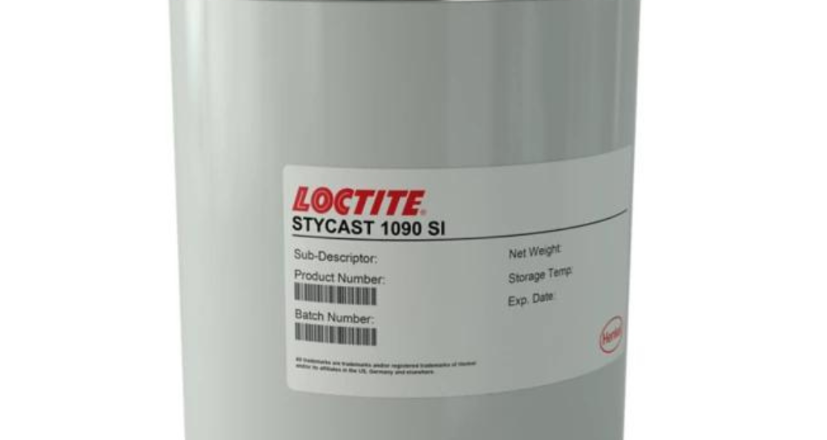
So, how do you shield these vital electronic brains? The answer often lies in a material you might never see: encapsulants. And in the high-stakes world of aviation, one name consistently rises to the top—LOCTITE STYCAST 1090 SI.
Think of it as a high-tech, protective cocoon. It’s not just glue or a simple coating; it’s a specially engineered potting compound that surrounds and protects delicate electronic assemblies. Let’s dive into why this particular material is such a trusted co-pilot in the aviation industry.
What Exactly is LOCTITE STYCAST 1090 SI?
At its core, STYCAST 1090 SI is a two-part, silicone-based insulating and encapsulating resin. The "SI" stands for silicone, and that’s your first clue to its superpowers. Unlike some rigid epoxy resins, this material cures to form a soft, flexible, and incredibly durable protective layer.
Imagine a substance that’s tough enough to handle the physical punishment of flight but gentle enough not to stress sensitive components. That’s the balance 1090 SI strikes perfectly. It’s poured or dispensed in a liquid form, flows around every wire, capacitor, and microchip, and then cures solidly in place, creating a monolithic block of protection.
Why Silicone? The Material Advantage for Aviation
Silicone isn’t chosen by accident. Its inherent properties solve multiple aviation challenges at once:
Key Applications in the Aviation Industry
So, where do you actually find this invisible protector? Its use cases are everywhere critical electronics live:
The Sky-High Benefits: More Than Just Protection
Using a qualified material like LOCTITE STYCAST 1090 SI isn't just about solving a single problem; it delivers a cascade of benefits that resonate from the engineering bench to the bottom line and, most importantly, to safety.
Final Approach: A Material Designed for Mission
Finally, choosing an encapsulant in aviation is a responsible decision. It is not a commodity buy; it is the choice of a mission-critical partner.
LOCTITE STYCAST 1090 SI earned its wings by offering a unique blend of silicone's forgiving suppleness and the tough durability required by the sky. It enables engineers to push the frontiers of avionics design while knowing that the technological heart of their invention is housed in a material that can withstand the voyage.
For anyone specifying, approving, or applying materials in aircraft manufacturing or MRO, understanding the applications and benefits of a top-tier encapsulant like this isn't just technical knowledge—it's a contribution to the relentless pursuit of safer, more reliable, and more efficient flight.
27 Jun, 2026

18 Apr, 2026
Efficient and reliable delivery of goods or products within a minimal timeframe, often prioritizing before delivery time.
A secure payment system (SPS) is a way to protect financial transactions and personal data from fraud and unauthorized access.
"24/7 support" means providing customer assistance around the clock, 24 hours a day, 7 days a week, ensuring customers can get help whenever they need it.