Aerospace Aviation Solutions Improve Aircraft Safety and Performance
11 Jul, 2026

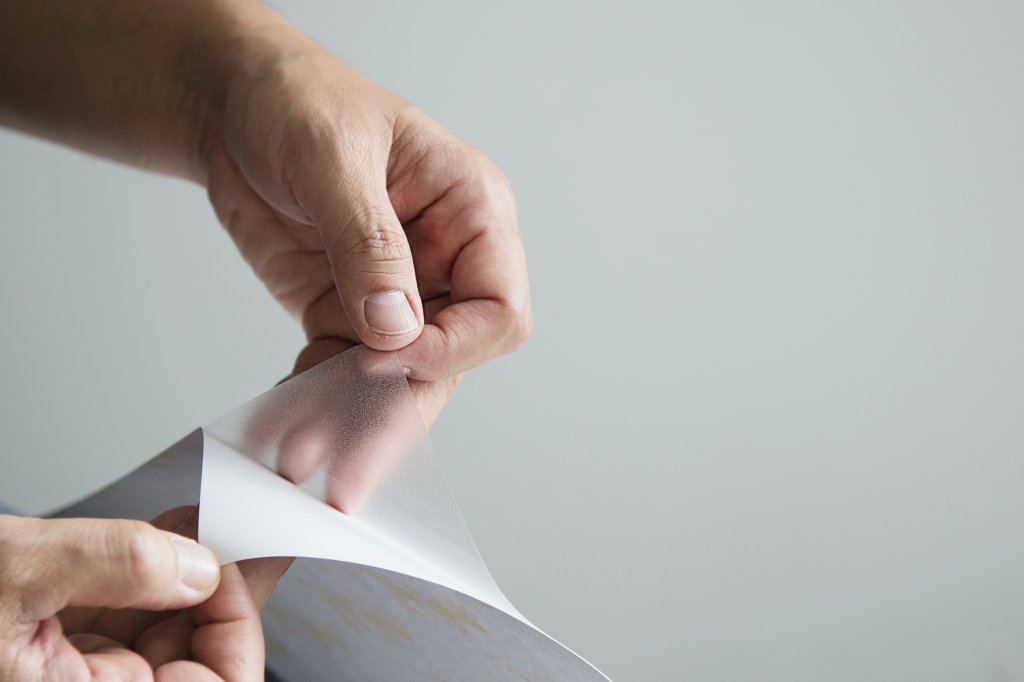
When we think about aircraft strength and safety, our minds usually go straight to powerful engines, advanced avionics, or cutting-edge composite materials. But there’s a quieter hero working behind the scenes—film adhesives. These thin layers of engineered bonding material play a critical role in modern aviation, helping aircraft become stronger, lighter, safer, and more reliable.
What Are Film Adhesives in Aerospace?
Film adhesives are pre-cured or semi-cured adhesive layers supplied in thin film form. Unlike liquid or paste adhesives, film adhesives offer uniform thickness, consistent bonding performance, and excellent control during manufacturing.
In the aerospace industry, film adhesives are widely used for:
These aerospace film adhesives are engineered to withstand extreme temperatures, high mechanical loads, vibration, and harsh environmental conditions—making them ideal for aircraft applications.
Primary keywords used here: film adhesives, aerospace adhesives, aircraft bonding materials
Why Adhesives Matter More Than You Think in Aircraft Design
Traditional aircraft relied heavily on mechanical fasteners like rivets and bolts. While effective, these methods come with drawbacks:
Film adhesives solve many of these challenges by enabling continuous load distribution across bonded surfaces. This results in stronger joints and longer service life.
In modern aircraft design, adhesives are no longer optional—they are essential to achieving high performance, fuel efficiency, and safety standards.
How Film Adhesives Improve Aircraft Strength
1. Uniform Stress Distribution
One of the most significant advantages of film adhesives in aviation is their ability to transmit stress equally throughout bonded surfaces. Unlike rivets, which concentrate stress at specific spots, adhesive bonding distributes the strain across a greater area.
This:
As a result, aircraft structures may withstand greater loads with less material, directly enhancing the strength-to-weight ratio.
2. Stronger Composite Structures
Modern airplanes, such as the Boeing 787 and Airbus A350, rely largely on composite materials. Film adhesives are vital for connecting composite layers without harming the fibers.
Aerospace-grade film adhesives:
This makes composite airframes not only lighter but also stronger and more durable.
3. Weight loss without sacrificing strength
Weight is one of the most important considerations in flight. Even minor reductions can result in significant fuel savings during an aircraft's lifetime.
Film adhesives enable manufacturers to
Lighter airplanes are less stressed during flight, which indirectly improves safety and performance.
The Role of Film Adhesives in Aircraft Safety
1. Improved Fatigue Resistance
Aircraft components are subjected to millions of load cycles during their service life. Film adhesives are designed to absorb and dissipate energy, making bonded joints more resistant to fatigue.
This helps:
2. Enhanced Damage Tolerance
In the event of minor impacts or manufacturing imperfections, adhesive-bonded structures often perform better than mechanically fastened ones.
Film adhesives:
This damage tolerance is a key reason why aerospace certification authorities trust adhesive bonding in critical structures.
3. Corrosion Prevention
Corrosion is a hidden enemy in aviation safety. Mechanical fasteners can trap moisture, leading to corrosion over time.
Film adhesives act as a protective barrier, sealing bonded surfaces and reducing exposure to moisture, chemicals, and contaminants.
This is especially important in:
Film Adhesives vs Mechanical Fasteners: A Practical Comparison
Feature | Film Adhesives | Mechanical Fasteners |
Weight | Lightweight | Heavier |
Stress Distribution | Even | Concentrated |
Fatigue Resistance | High | Moderate |
Corrosion Risk | Low | Higher |
Aerodynamics | Smooth surfaces | Surface disruptions |
While fasteners are still used in combination with adhesives, film adhesives clearly offer superior performance in many structural applications.
Types of Film Adhesives Used in Aerospace
1. Epoxy Film Adhesives
Epoxy-based film adhesives are the most commonly used in aircraft manufacturing due to their:
They are ideal for primary and secondary structural bonding.
2. Phenolic Film Adhesives
Phenolic adhesives are often used in interior applications and honeycomb structures because of their:
3. Bismaleimide (BMI) Film Adhesives
BMI film adhesives are used in high-temperature aerospace environments such as:
They retain strength even at elevated temperatures.
Film Adhesives in Aircraft Manufacturing
During aircraft production, film adhesives are carefully handled and processed under controlled conditions. The bonding process typically includes:
This controlled approach ensures repeatable quality and compliance with strict aerospace standards.
Use of Film Adhesives in Aircraft Maintenance and Repair
Film adhesives are not limited to manufacturing—they are also critical in aircraft maintenance, repair, and overhaul (MRO).
Common repair applications include:
These adhesive-based repairs often restore original strength while minimizing downtime.
Certification and Safety Standards for Aerospace Film Adhesives
Aerospace film adhesives must meet rigorous certification standards set by authorities such as:
These certifications ensure adhesives perform reliably under extreme operational conditions.
Future Trends: Smarter and Safer Adhesive Technologies
The future of aerospace film adhesives is exciting. Ongoing innovations include:
These advancements will further increase aircraft strength, safety, and sustainability.
Environmental Advantages of Film Adhesives.
Beyond strength and safety, film adhesives contribute to greener aviation by
Sustainable aerospace bonding solutions are becoming a top priority in the industry.
Myths about film adhesives in aviation:
Myth 1. Adhesives are weaker than rivets.
Modern aircraft film adhesives are designed to match or exceed the strength of conventional fastening methods.
Myth 2: Adhesive Bonds Fail Easily
In actuality, properly developed and verified adhesive bonding is extremely long-lasting and has undergone thorough testing.
Final Thoughts: Is Film Adhesives the Future of Aviation Safety?
So, do film adhesives improve aircraft strength and safety? Absolutely.
Film adhesives have altered current aircraft design and manufacture by enhancing load distribution and fatigue resistance while also decreasing weight and corrosion hazards. They are no longer only support materials; they are necessary to meet today's demanding safety and performance demands.
As aerospace technology advances, film adhesives will play an increasingly important role in creating safer, stronger, and more efficient aircraft.
27 Jun, 2026

18 Apr, 2026
Efficient and reliable delivery of goods or products within a minimal timeframe, often prioritizing before delivery time.
A secure payment system (SPS) is a way to protect financial transactions and personal data from fraud and unauthorized access.
"24/7 support" means providing customer assistance around the clock, 24 hours a day, 7 days a week, ensuring customers can get help whenever they need it.