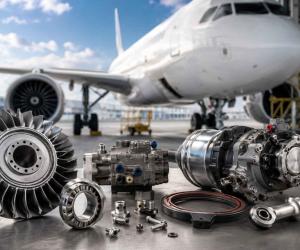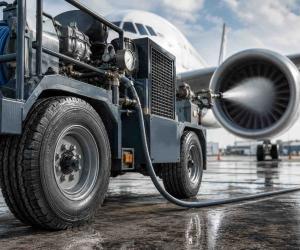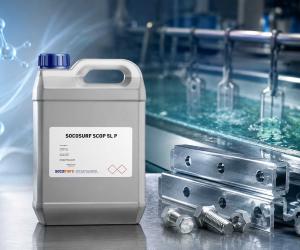
Aerospace Aviation Solutions Improve Aircraft Safety and Performance
11 Jul, 2026

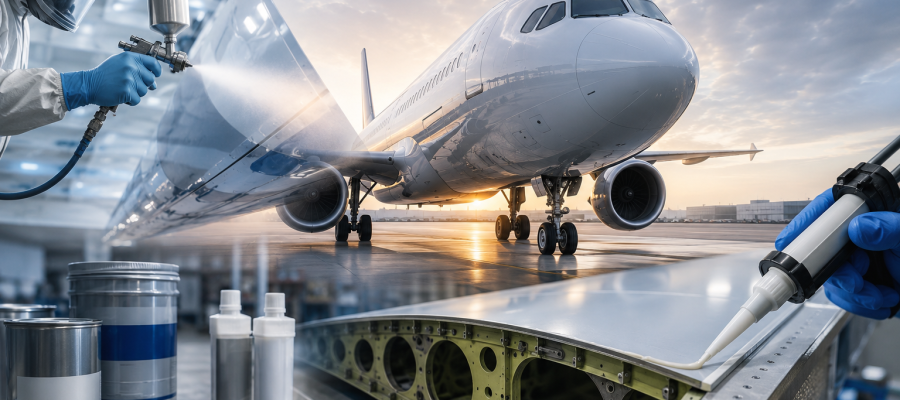
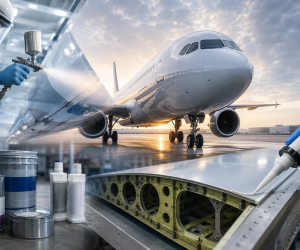
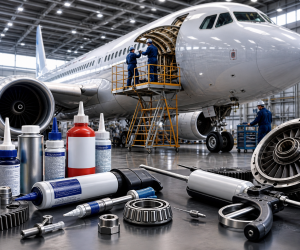
When you look at a massive commercial jet or a sleek private turboprop, your first thought might be about the powerful engines or the sophisticated avionics in the cockpit. But there is a silent hero working hard on every square inch of that aircraft: the specialized paints and adhesives. In the high-stakes world of modern aviation, these aren’t just "finishing touches." They are critical components that ensure safety, fuel efficiency, and structural integrity.
At Global Air Parts & Lubricants, we know that the right chemical solutions are just as vital as the hardware. Let’s dive into the world of aerospace coatings and bonding agents to see how they are evolving to meet the demands of 21st-century flight.
The Evolution of Aerospace Coatings: More Than Just a Pretty Face
In the early days of aviation, paint was mostly about branding and preventing basic rust. Today, the aerospace coating industry has shifted toward multifunctional materials. Modern aircraft are exposed to extreme temperature fluctuations—from the scorching heat on a tarmac in Dubai to the -55°C chill at 35,000 feet.
High-performance polyurethane topcoats have become the industry standard. These coatings provide incredible UV resistance, ensuring that the vibrant liveries of airlines don't fade under intense solar radiation. But beyond aesthetics, we are seeing a massive surge in basecoat/clearcoat systems. These systems allow for faster drying times and a smoother finish, which actually reduces skin friction. In an industry where every ounce of drag matters, a smoother paint job translates directly into better fuel economy.
Fighting the Silent Killer: Corrosion Inhibitors
Corrosion is the sworn enemy of any maintenance director. This is why chromate-free primers are gaining massive traction. Historically, strontium chromate was the go-to for preventing rust, but environmental regulations and health concerns have pushed the industry toward greener, more sustainable alternatives.
New-age epoxy primers offer exceptional adhesion to various substrates, including aluminum and the increasingly popular carbon fiber composites. By creating a robust moisture barrier, these solutions extend the Maintenance, Repair, and Overhaul (MRO) cycles, keeping planes in the air longer and reducing long-term operational costs.
The Bonding Revolution: Aerospace Adhesives
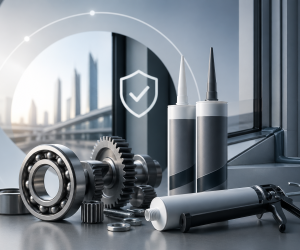
If paint is the skin, then adhesives are the ligaments. We are moving away from traditional mechanical fasteners—like rivets and bolts—in favor of structural adhesives. Why? Because rivets add weight and create "stress concentrations" where cracks can eventually form.
Epoxy and acrylic adhesives are now used to bond everything from interior cabin panels to critical wing components. These bonding agents offer:
For high-temperature environments, such as near the engine nacelles, silicone-based sealants and specialized potting compounds are essential. They remain flexible and airtight even when things get hot, ensuring that pressurized cabins stay safe and engine fluids stay where they belong.
Sustainability in the Skies
The aviation industry is under immense pressure to go green. This isn't just about electric engines; it’s about the chemicals we use. Global Air Parts & Lubricants is seeing a significant shift toward Low-VOC (Volatile Organic Compounds) products. These formulations reduce the release of harmful gases during the application process, making the hangar a safer environment for technicians and reducing the airline's overall carbon footprint.
Furthermore, waterborne coatings are beginning to make their way into aircraft interiors. They provide the same durability as solvent-based paints but without the harsh odors and environmental baggage.
Why Quality Matters for MRO Professionals
Choosing the right paint or adhesive isn't just about following a manual; it’s about reliability. A failure in a sealant can lead to a costly AOG (Aircraft on Ground) situation. That’s why sourcing from a trusted partner is non-negotiable.
Whether you are looking for aerospace grade sealants, conductive coatings for lightning strike protection, or fast-cure adhesives for quick repairs, the quality of the chemical bond dictates the lifespan of the aircraft. Modern solutions are now engineered to be "smart," with some experimental coatings even capable of "self-healing" minor scratches to prevent deeper corrosion.
Final Thoughts
The "Modern Aviation Industry" is a marvel of chemistry as much as it is a marvel of physics. As we push toward faster, lighter, and greener aircraft, the role of specialized paints and adhesives will only grow.
At Global Air Parts & Lubricants, we are committed to providing the industry with the highest-rated solutions that meet rigorous FAA and EASA standards. From the tip of the nose cone to the edge of the rudder, our mission is to ensure your fleet stays protected, efficient, and looking its best.
27 Jun, 2026

18 Apr, 2026
Efficient and reliable delivery of goods or products within a minimal timeframe, often prioritizing before delivery time.
A secure payment system (SPS) is a way to protect financial transactions and personal data from fraud and unauthorized access.
"24/7 support" means providing customer assistance around the clock, 24 hours a day, 7 days a week, ensuring customers can get help whenever they need it.