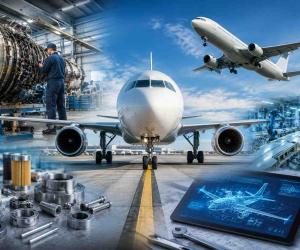
Aerospace Aviation Solutions Improve Aircraft Safety and Performance
11 Jul, 2026


The aviation and defense industries operate under critical circumstances where accuracy, efficiency, and security are of critical concern. As the world develops technologically and issues become ever more complex, fact-based decision-making and process optimization become more of a necessity.
The future of military and aviation depends on improved operations, improved safety, and improved mission readiness, from secure supply chains based on blockchain to maintenance based on AI that can anticipate issues. The aerospace and military performance is being determined by improved processes and KPIs (Key Performance Indicators), as we are talking about in this blog.
1. Converting to Electronic Change
The following Industry 4.0 technology is being used in the defence and aviation sectors:
These technologies are reducing downtime by decreasing its cost and streamlining how things operate.
2. How KPIs Operate in Defence and Aviation
Critical industries rely heavily on Key Performance Indicators (KPIs) to gauge their success. The most impactful KPIs are:
For flying:
For Defense:
By using real-time data analysis, organizations can foresee problems, improve resource use, and make better decisions.
3. Automation & Autonomous Systems
The future will witness increased application of:
Automation not only serves to enhance efficiency but also minimizes human risk in hazardous operations.
4. Aviation Sustainability & Green
The industry is concentrating on the following due to increased environmental concerns:
As part of an attempt to realize worldwide sustainability goals, the defense industry is also making investments in energy-saving technology.
5. Cyber defence and data protection
Cyber attacks are becoming a serious issue as defense and aviation systems are being networked increasingly. Future initiatives are to:
They have access to vital systems.
In short, the path forward Agile methodologies, data-driven analytics, and intelligent automation are highly critical in the future of the defense and aviation sectors. Organizations that deal with cybersecurity, advanced technologies, and effective performance metrics will be the undisputed champions of efficiency, security, and innovation.
27 Jun, 2026

18 Apr, 2026
Efficient and reliable delivery of goods or products within a minimal timeframe, often prioritizing before delivery time.
A secure payment system (SPS) is a way to protect financial transactions and personal data from fraud and unauthorized access.
"24/7 support" means providing customer assistance around the clock, 24 hours a day, 7 days a week, ensuring customers can get help whenever they need it.